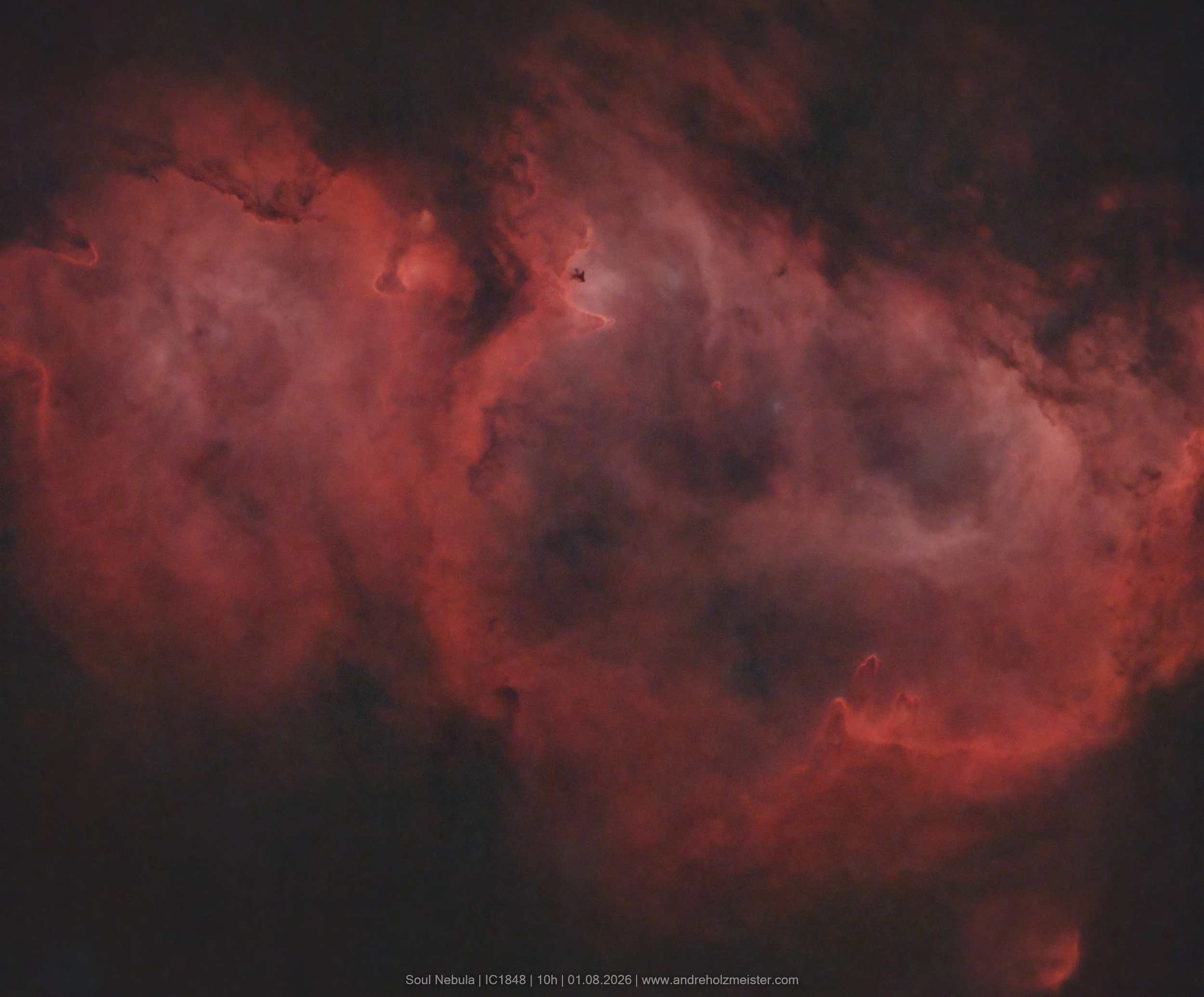
SOUL NEBULA
The Soul Nebula, officially known as IC 1848, owes its familiar name largely to its close relationship with the nearby Heart Nebula (IC 1805). Together, they form the well-known “Heart and Soul” pair in the constellation Cassiopeia, a visual and symbolic partnership that has made them one of the most recognizable star-forming regions in the northern sky. The name doesn’t arise from mythology or ancient lore, but from this pairing itself—a human impulse to connect neighboring structures into a single, meaningful whole.
Beyond the “Soul” name, the nebula has also been referred to as the Embryo or Baby Nebula. In certain orientations, its wispy, elongated filaments resemble a fetal form suspended in glowing gas, an impression shaped by the way radiation and gravity sculpt the surrounding hydrogen clouds. These alternative names reflect how strongly perception influences the way we relate to cosmic structures, even when the underlying physics remains unchanged.
In astronomical catalogs, however, the nebula is simply IC 1848, a designation from the Index Catalog that places it among thousands of other deep-sky objects. The contrast between its technical label and its poetic name highlights a quiet truth of astronomy: while science provides the structure and understanding, it’s often human interpretation that gives these distant regions their emotional resonance.
10 min total integration time | 120 x 300s
Sharpstar 61 EDPH II + 0.8 reducer 274mm @f4.5
ASI183MC PRO dedicated astrocamera
AM5 Mount
SVBONY duo band 7nm
SVBONY 30mm f4 Guide Scope
ASI120MM mini guide camera with red filter
ASIAir mini
Bortle 4-5
Software: DeepSkyStacker > Siril > Veralux Alchemy > Starnet > VeraLux HMS > Graxpert > Cosmic Clarity > Photoshop
Rho Ophiucci in all of it’s glory, captured with the Samayang 135mm f/2 lens at F/2, I consider this one of my best, if not the best astrophoto. What a sight to behold!
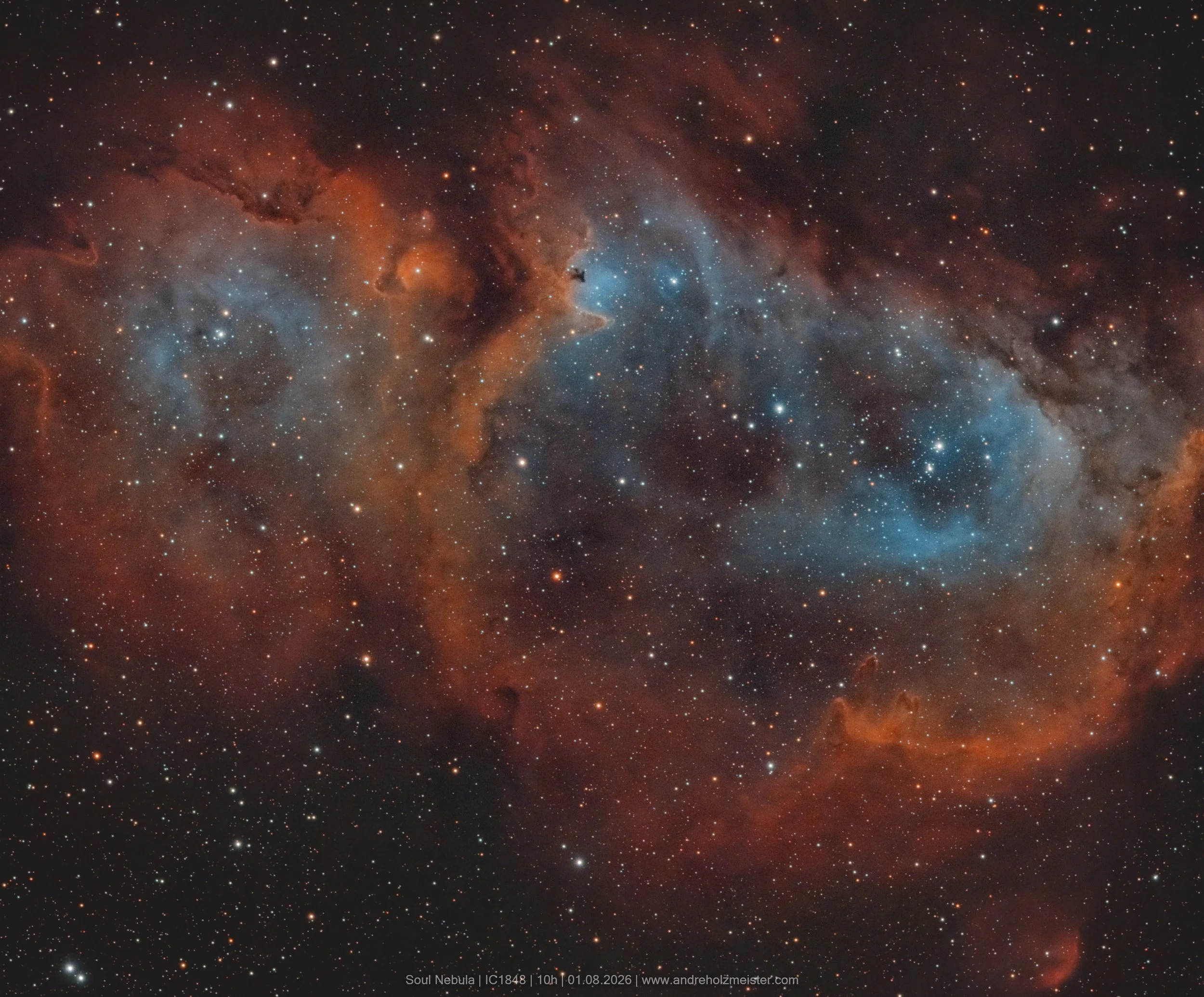
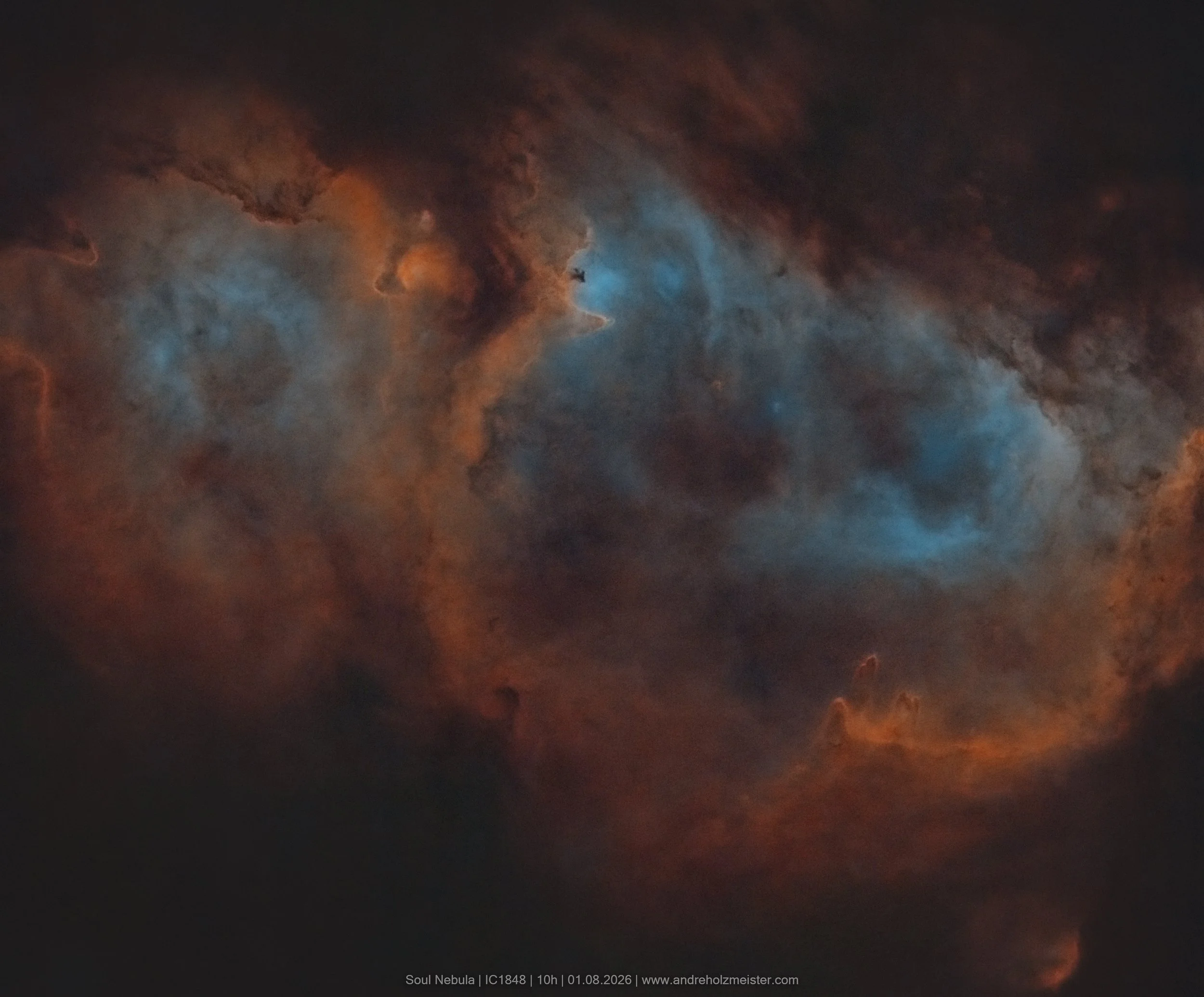
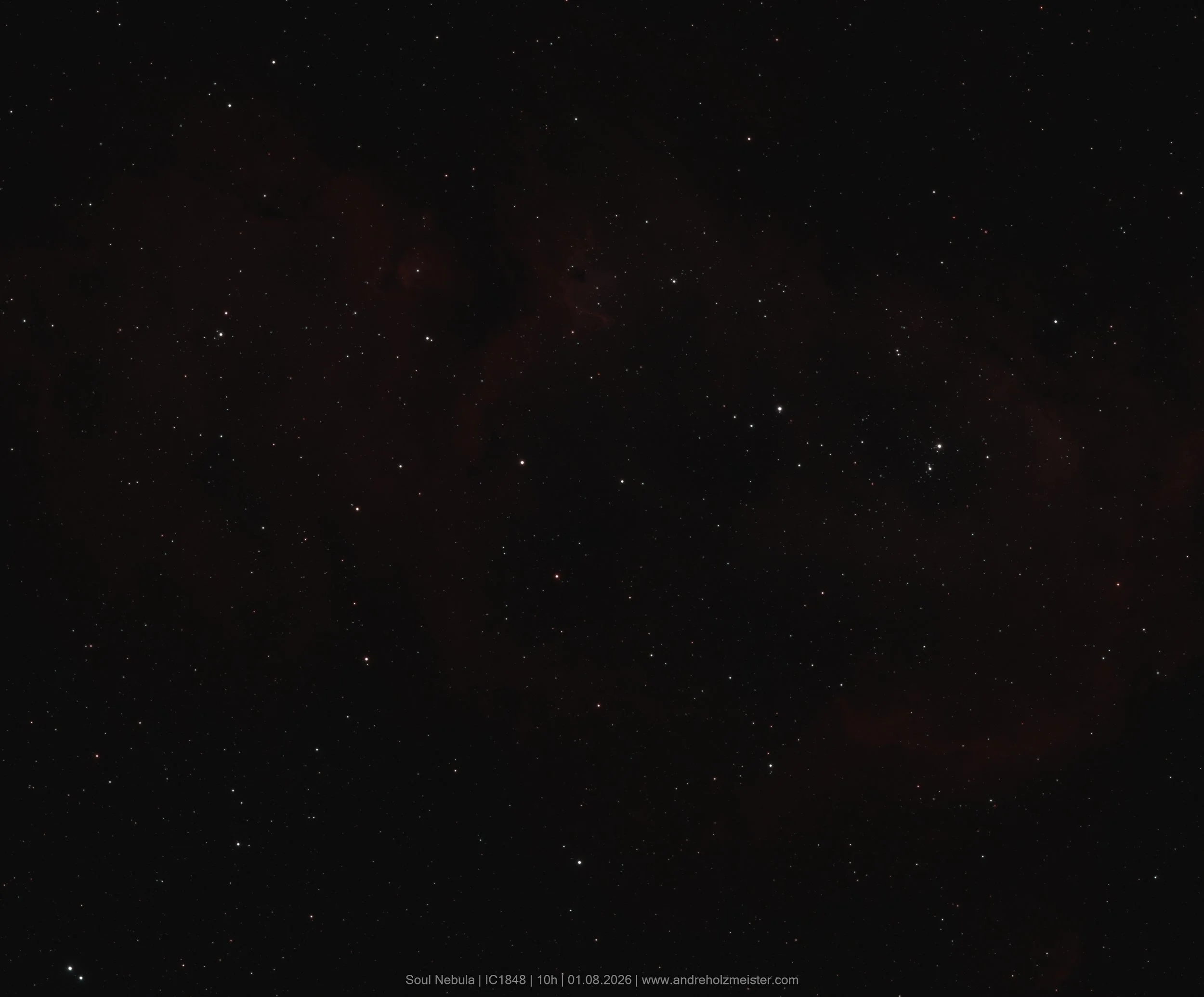
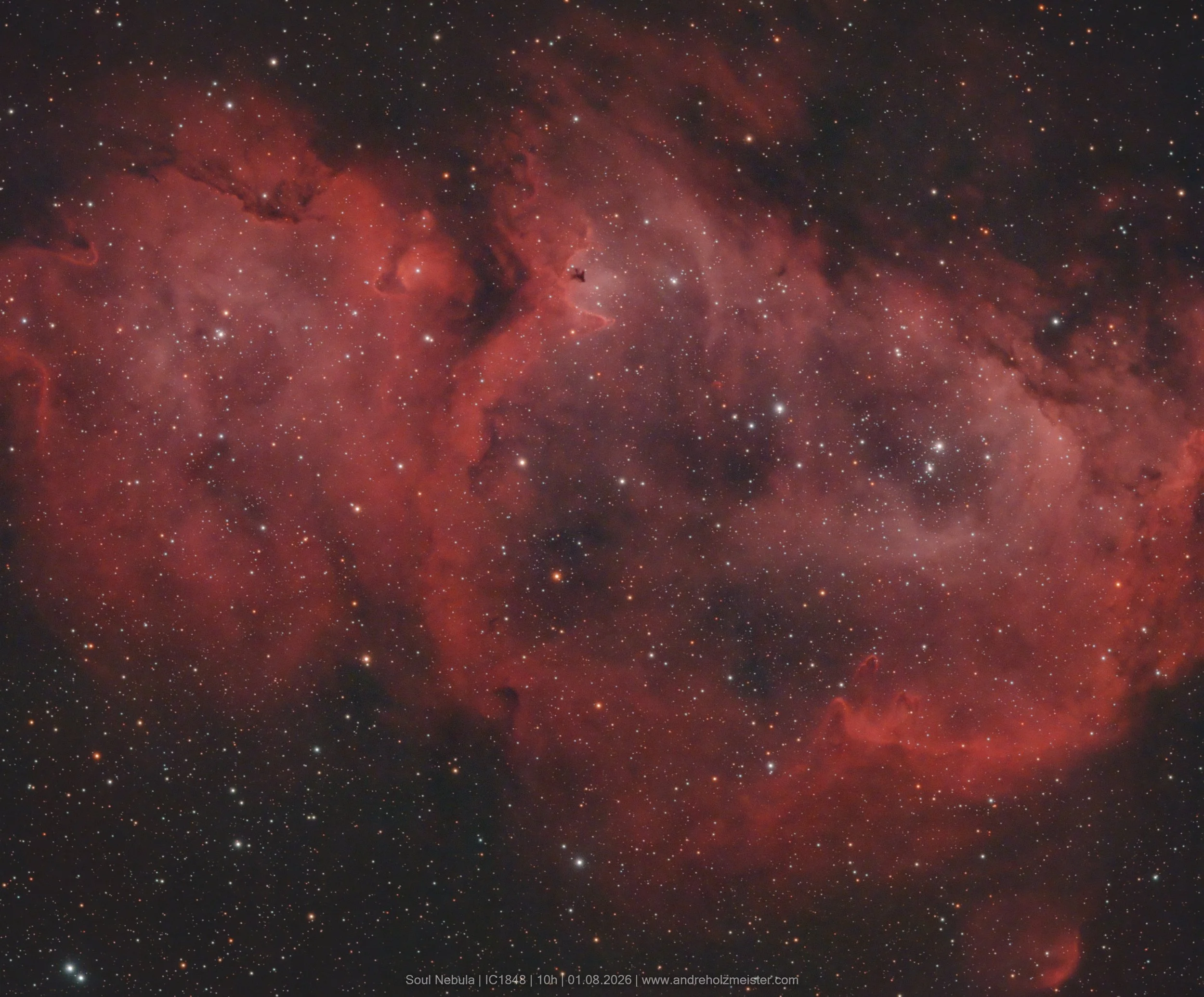
Natural colors sometimes are so beautiful! I definitely need to capture a wide field of both Heart and Soul
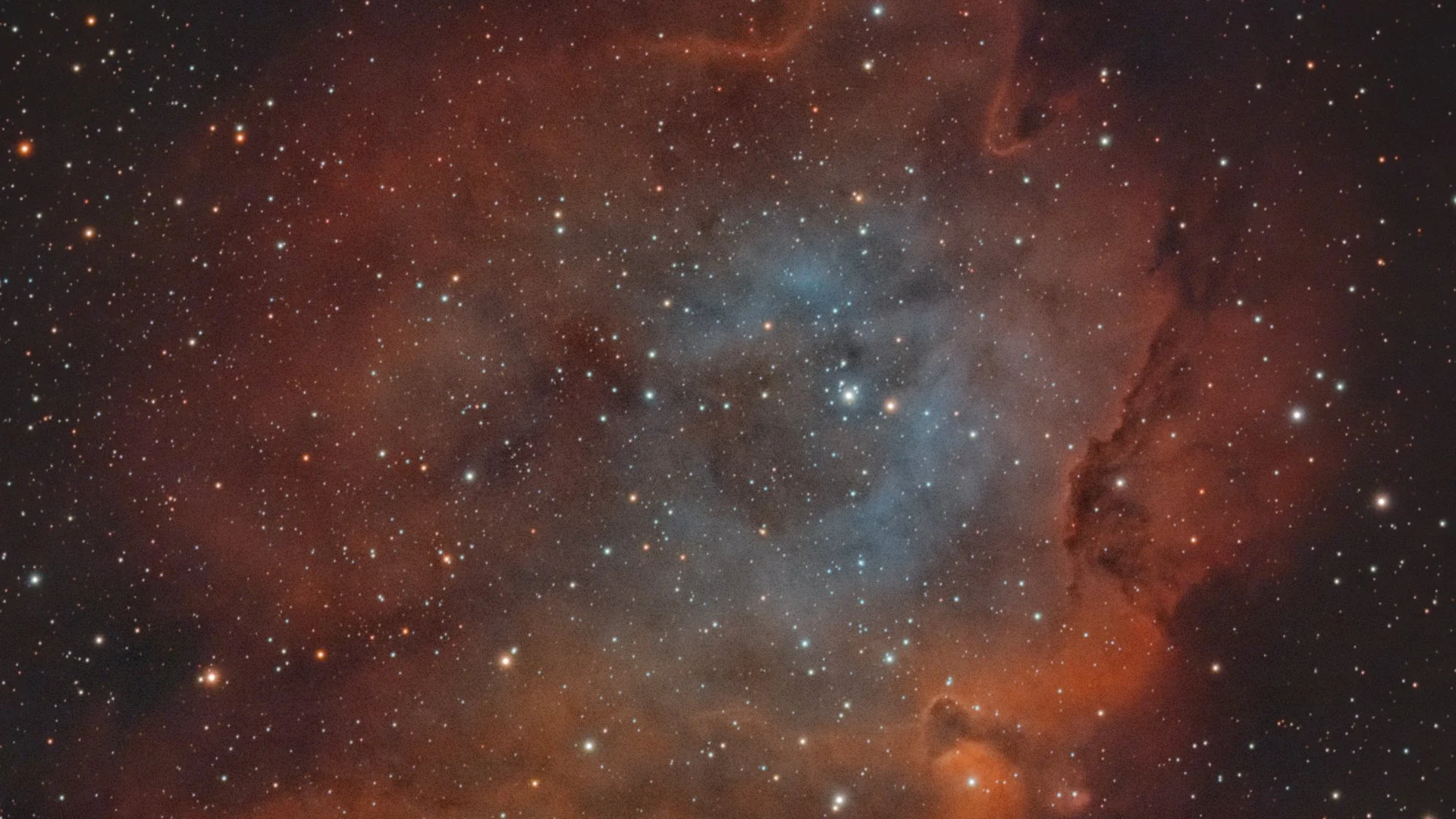
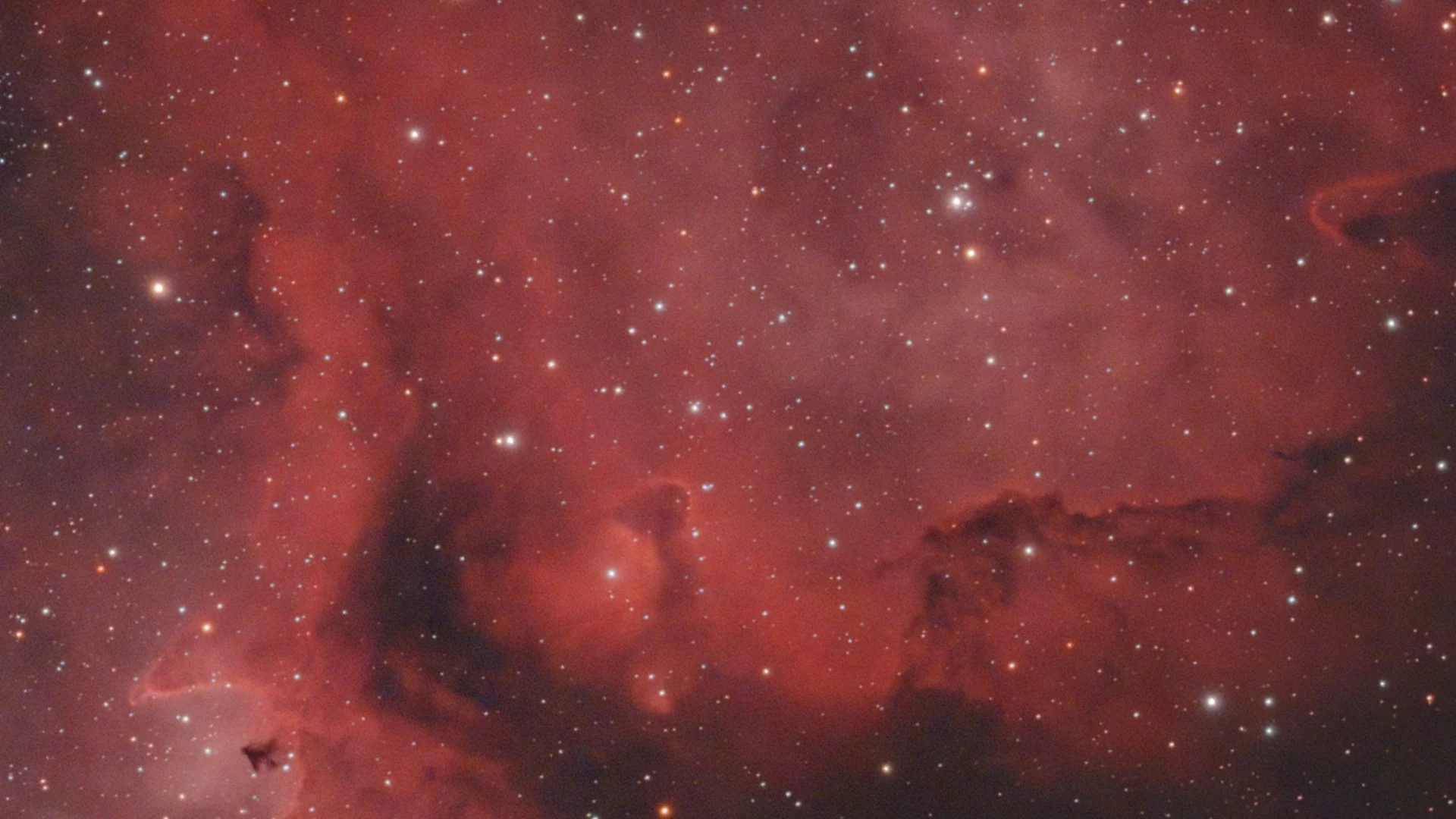
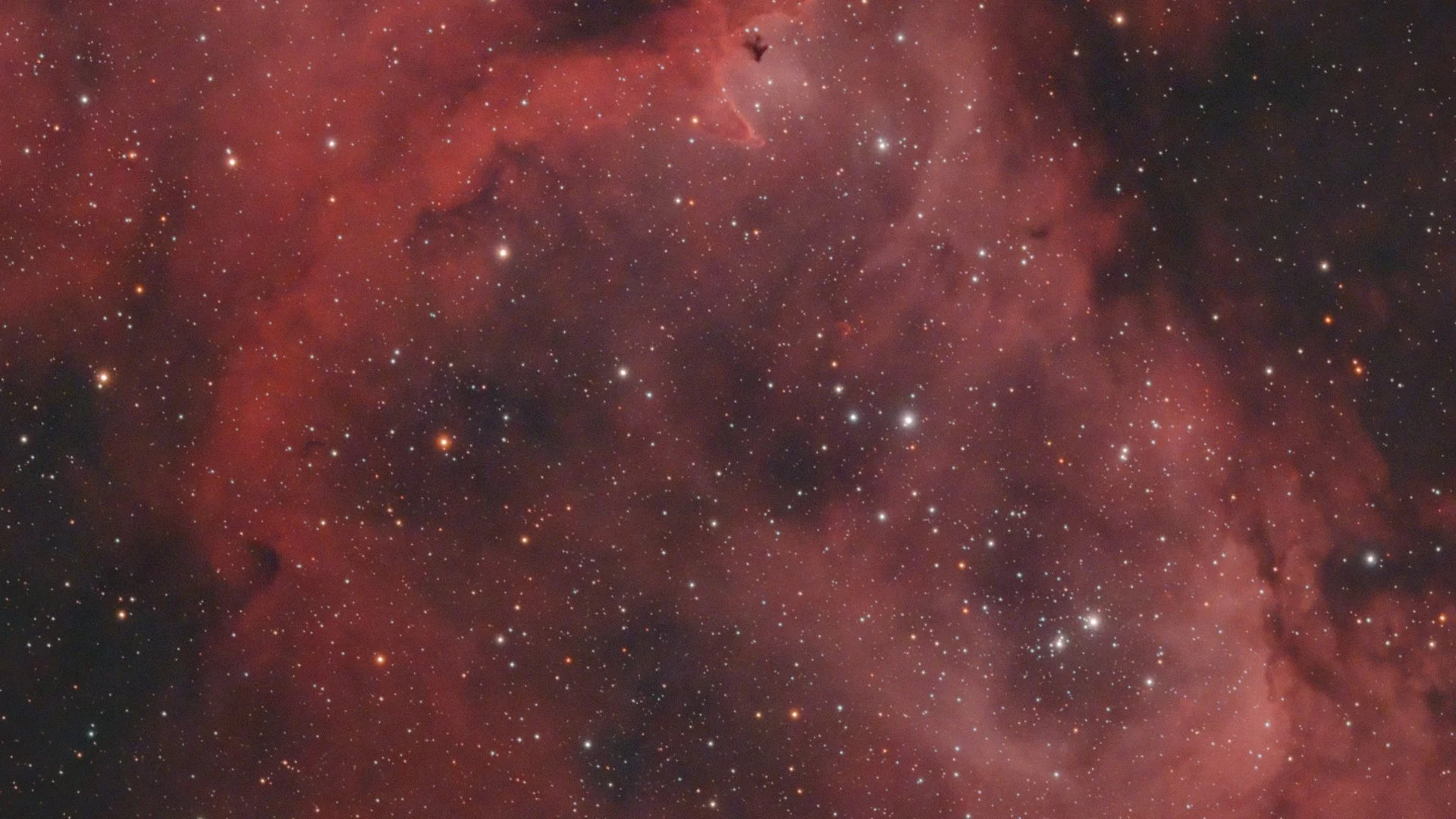
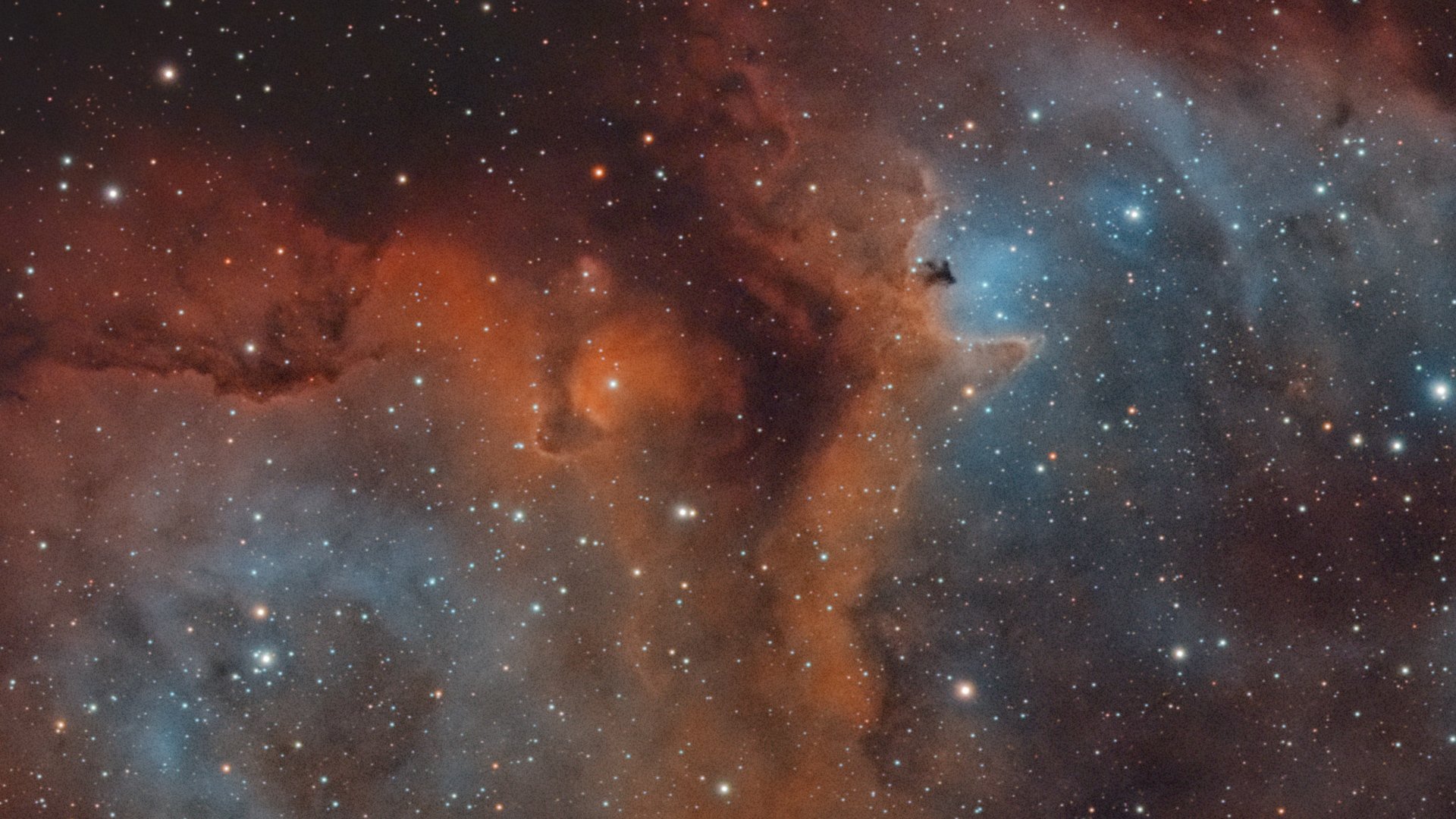
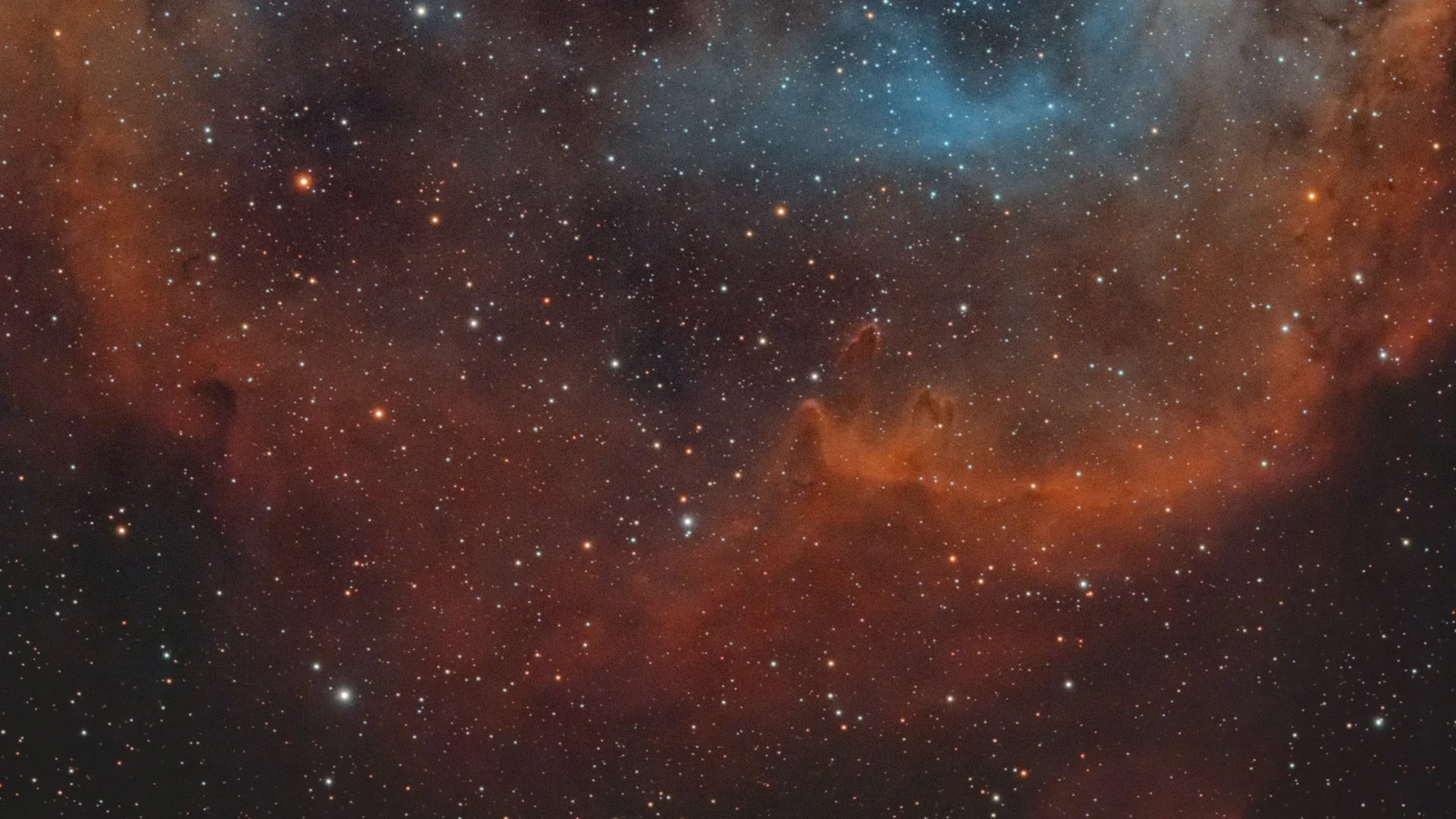
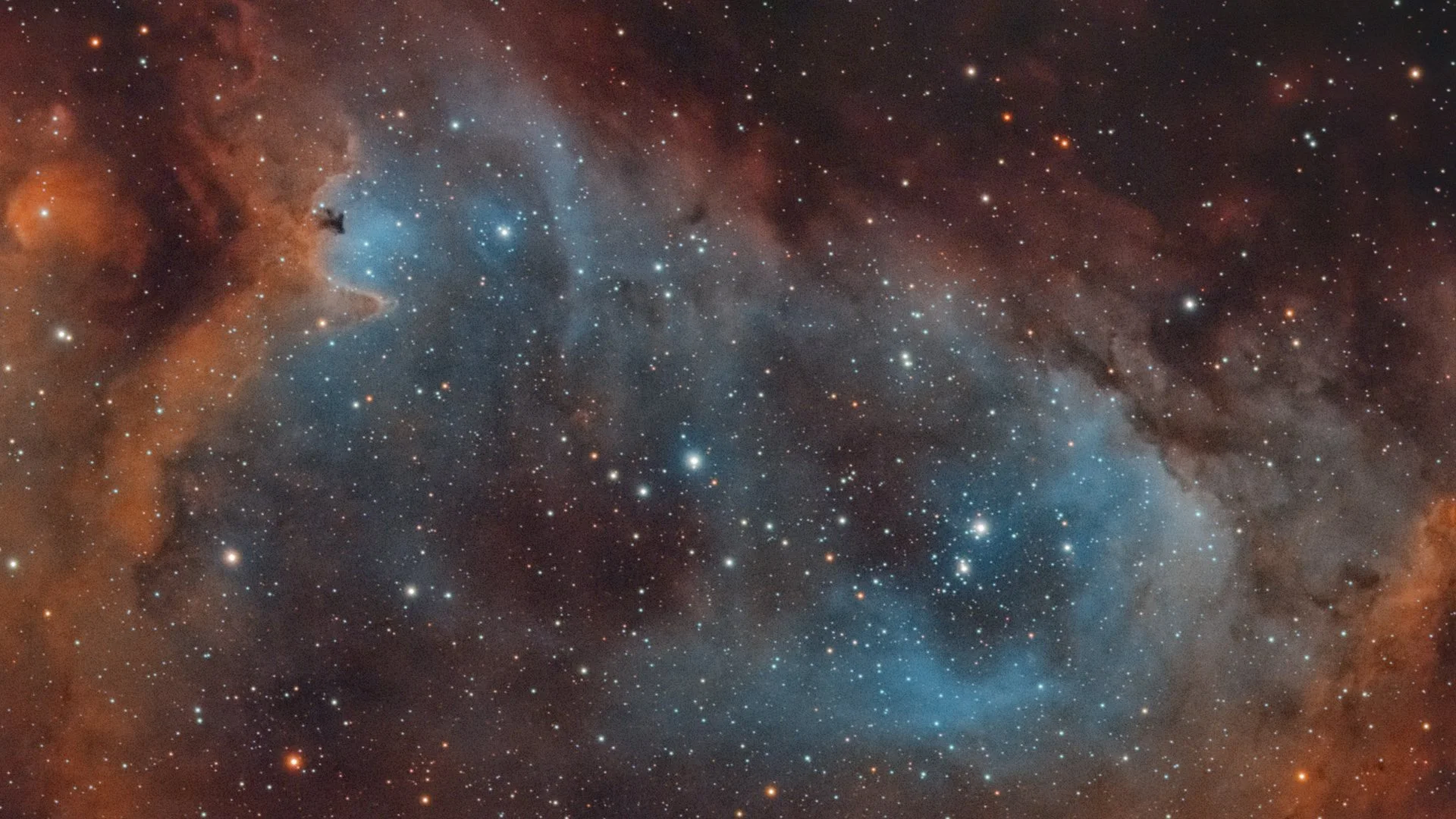
These crops shows how many interesting features we can see inside this Nebula.