VIA LACTEA
The Milky Way or Via Lactea in Latin, much better sounding to my ears.
What can I say? No words can describe the awe of seeing it with your bare eyes when on a dark sky site. That strain of stars crossing the skies has enchanted humanity throughout the ages, from the caveman to today. Every day it becomes harder and harder to find a spot to see this beauty due to light pollution spreading everywhere. That pale glow our ancestors named the road of milk is the combined light of stars, dust, and gas, shaped by our position about 26,000 light-years from the galactic center.
Even though youre going to see here quite a few shots I took from our home Galaxy, none of these shots really deliver its beauty, the way it deserves. I am still looking forward to get a great shot of it, it’s been very elusive to me, because you need to be phisically at a very dark sky area. And that is a rare occasion.
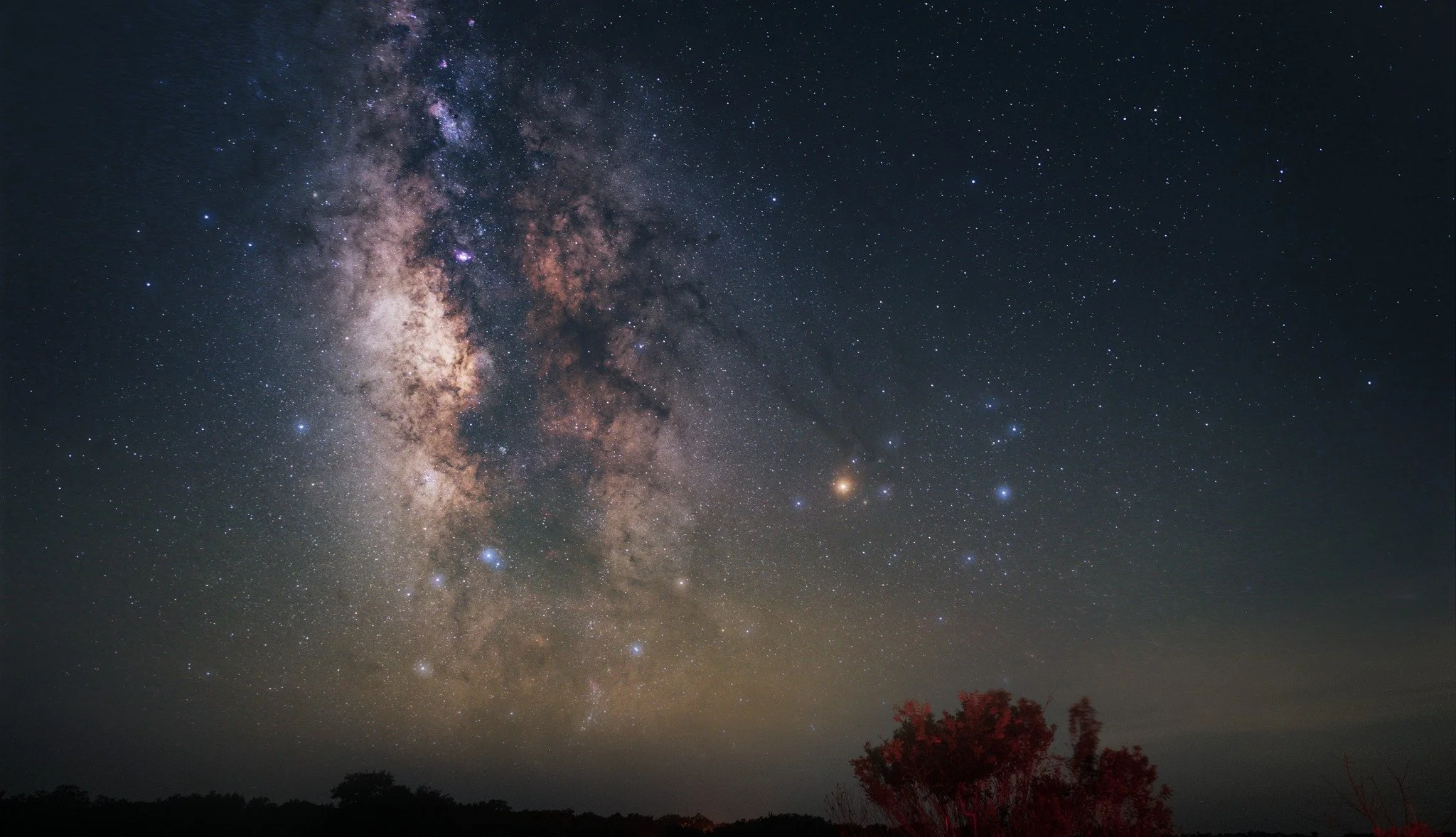
The Milky Way image above was taken from the Kissimmee Prairie Preserve State Park in Florida, about 2.5h away from Orlando, one of the darkest skies in the whole state, Bortle 3. I was taken with a Sony A7III camera and a Tamron 28-75mm f2.8 lens.
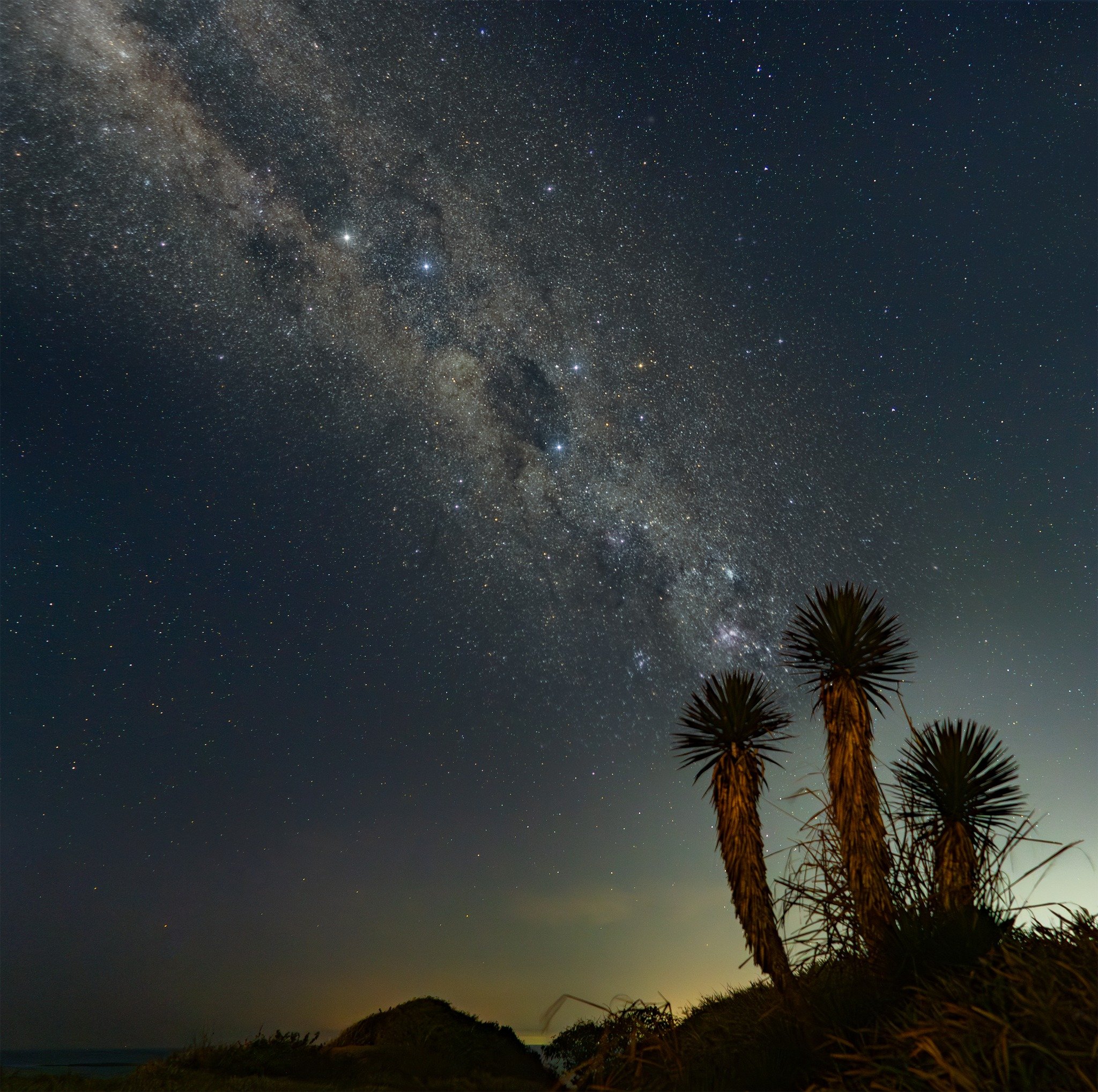
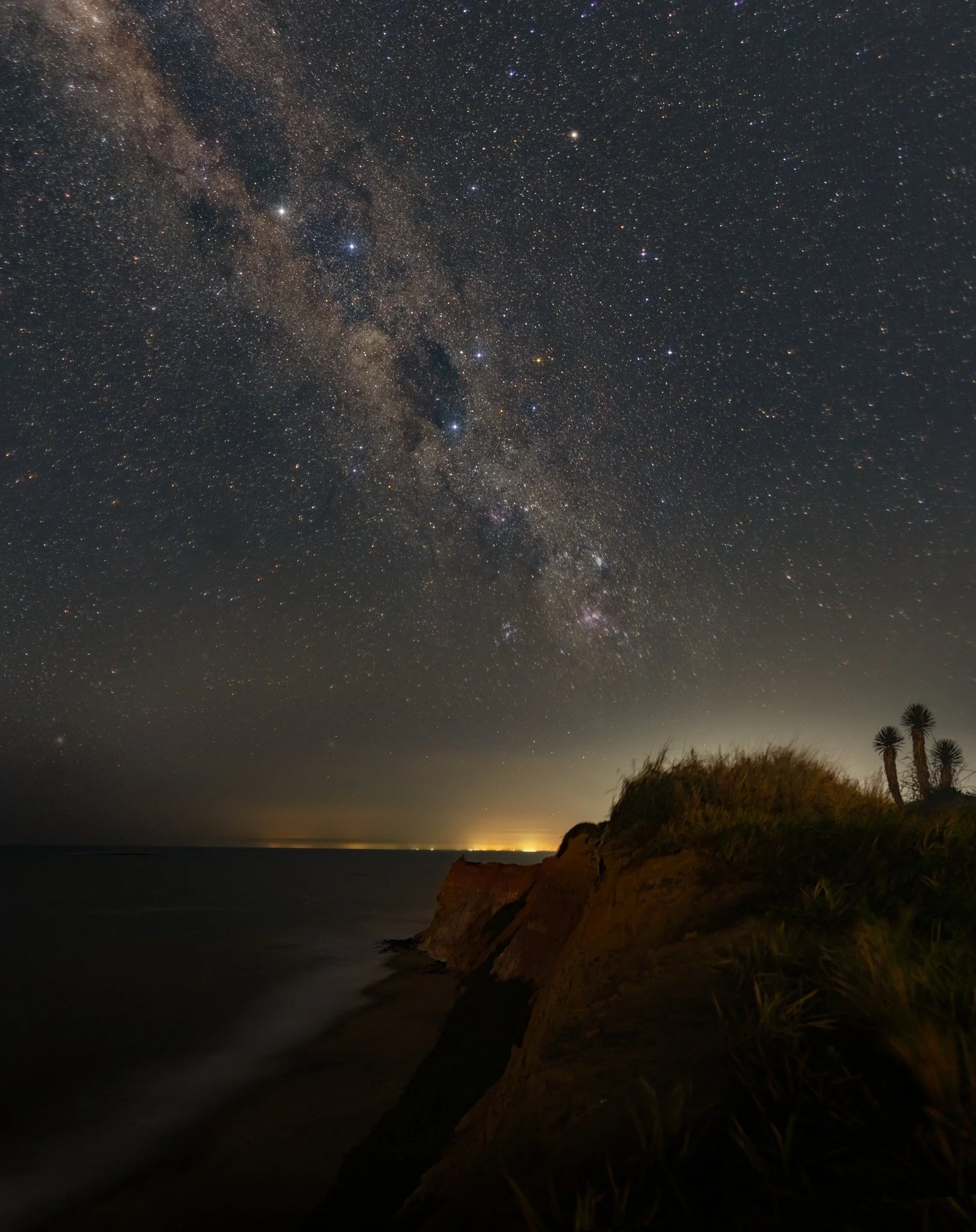
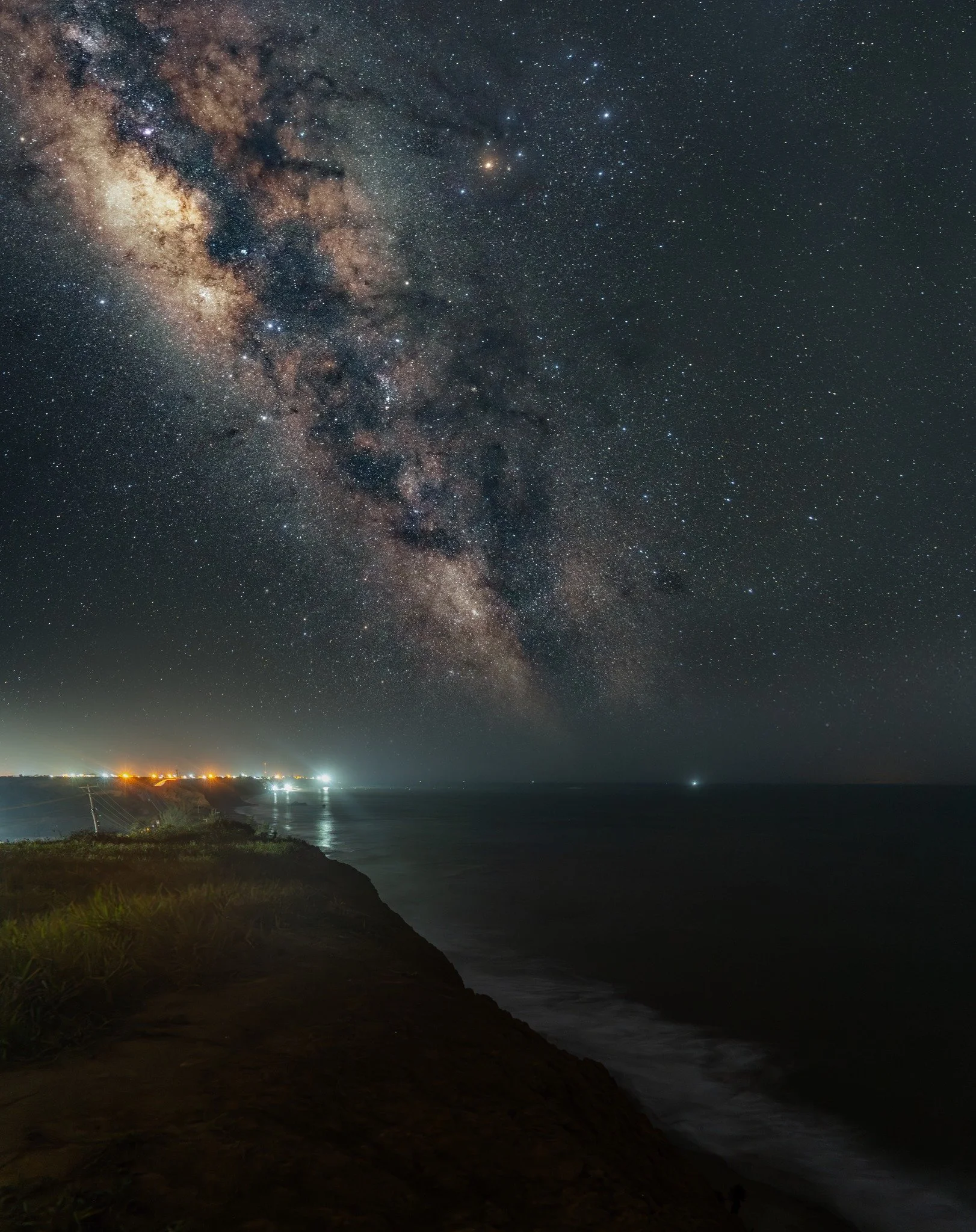
Both images here were taken from the same spot in Marataizes, ES, Brazil in July 2024. Bortle 3-4. Sky was Staked and stretched and recomposed int he shot in the same spot the Milkyway was.
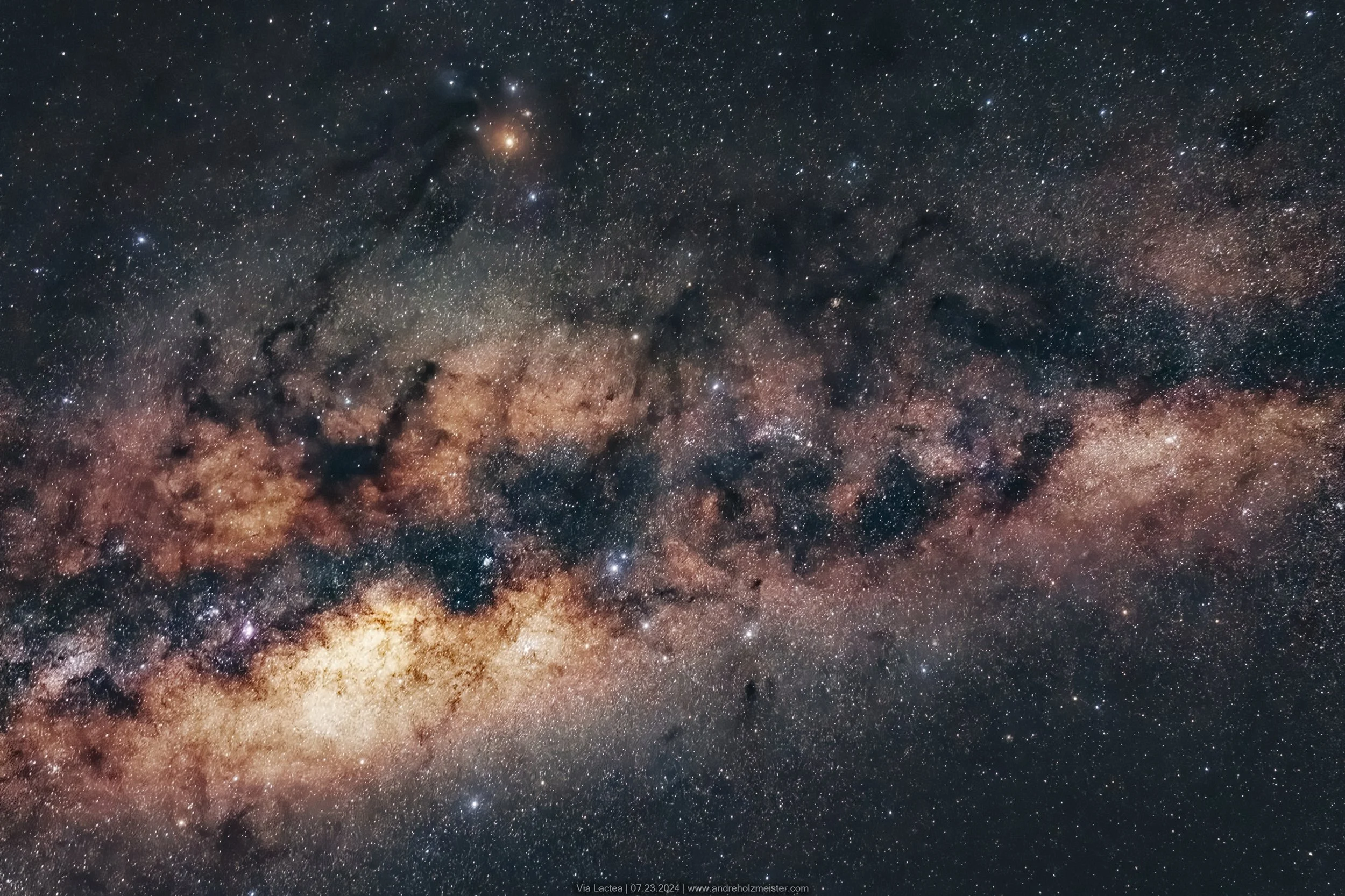
This sequence here are crops and a few reprocesses of the same data, also taken in July 2024 in Marataizes, ES, Brazil. From the backyard under Bortle 4 skies, untracked, just the camera and a tripod and stacking the data. Sony A7III and Zeiss 24-70 f4.
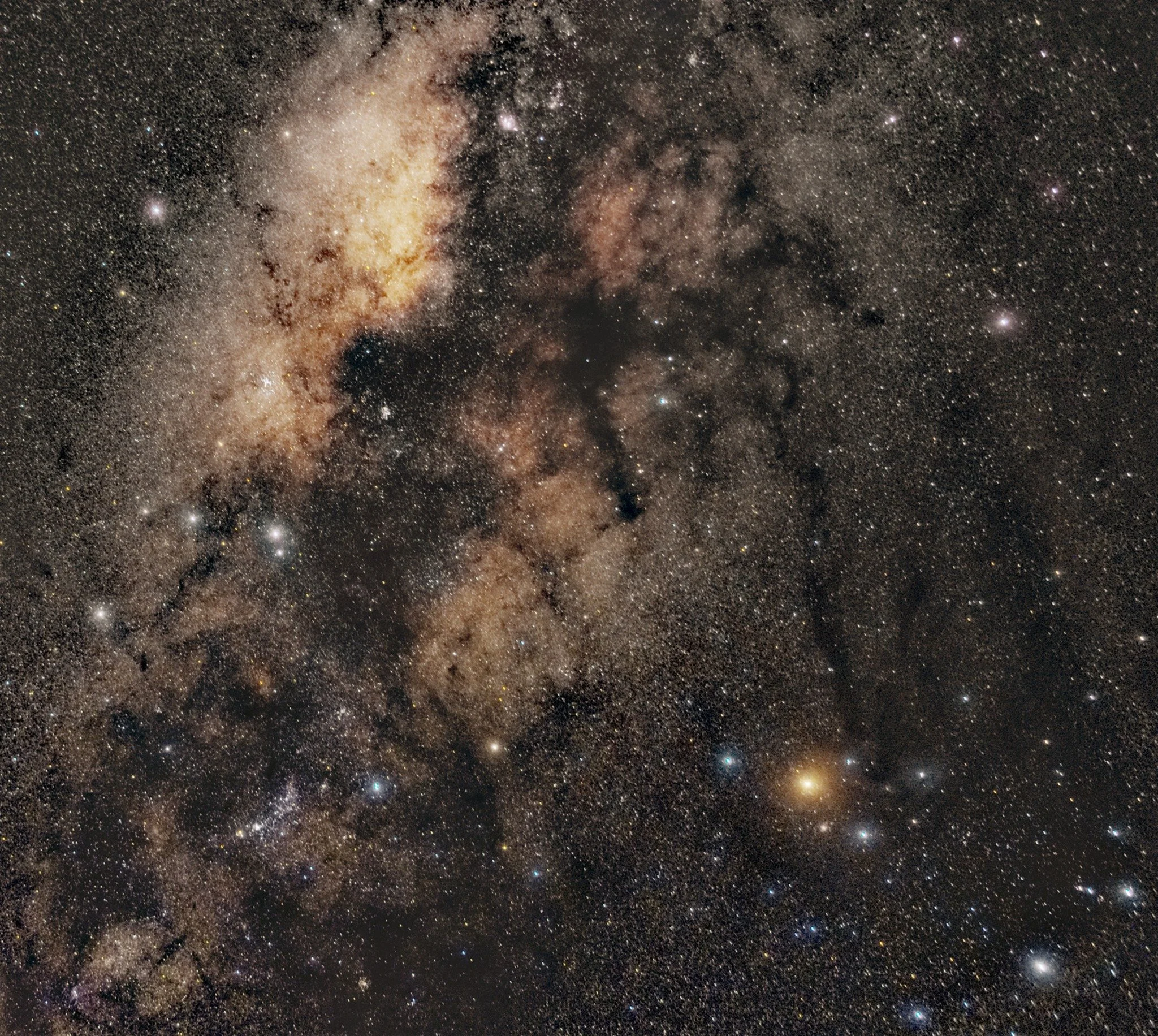
This section of the Milky Way is the Core of our Galaxy, it hosts the supermassive black hole Sagittarius A, which is ~4 million times the sun's mass.
We can see several famous objects in this picture, The Lagoon Nebula, Rho Ophiuchi Cloud Complex, Sagitarius Star Cloud, etc.
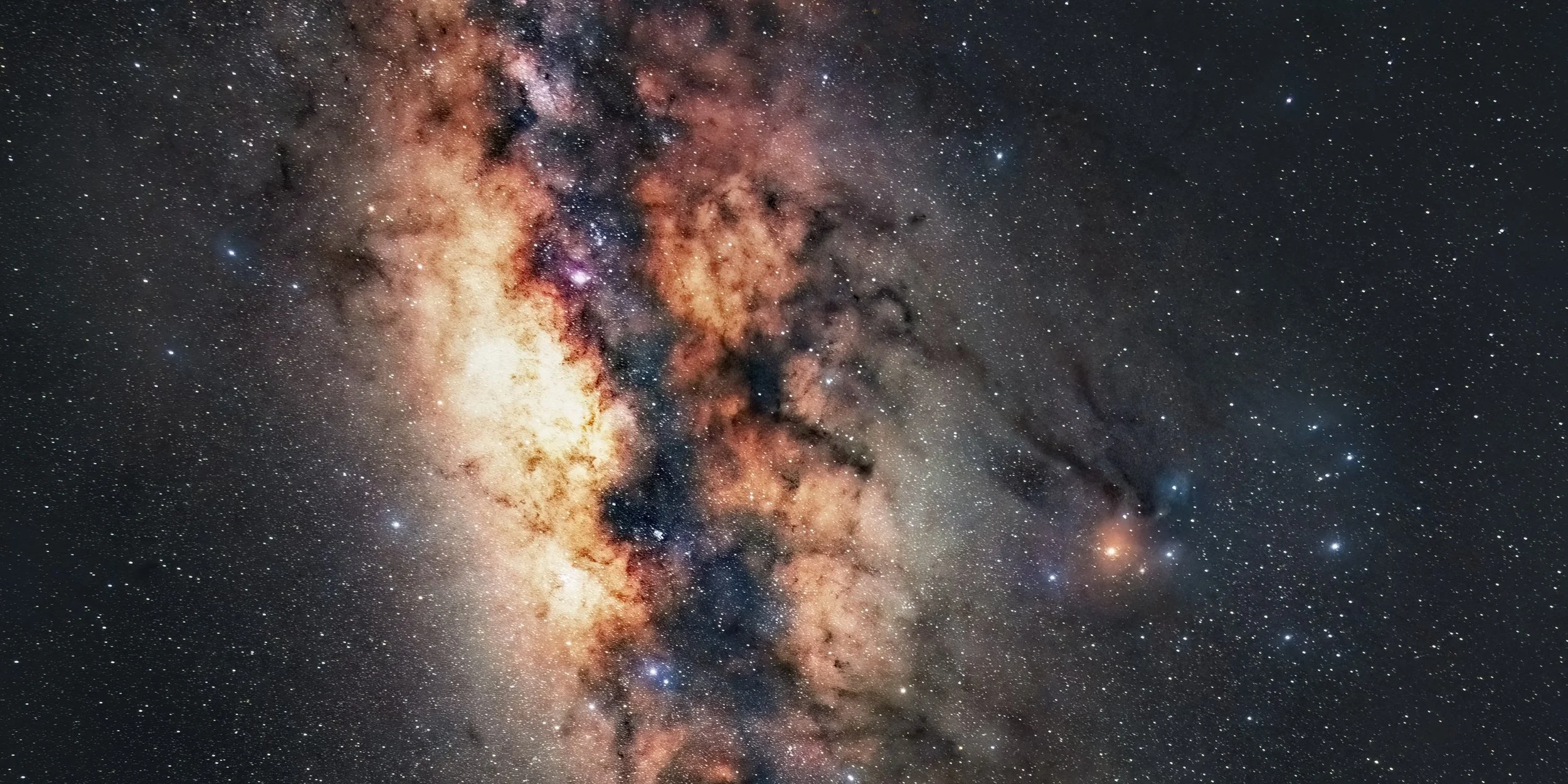
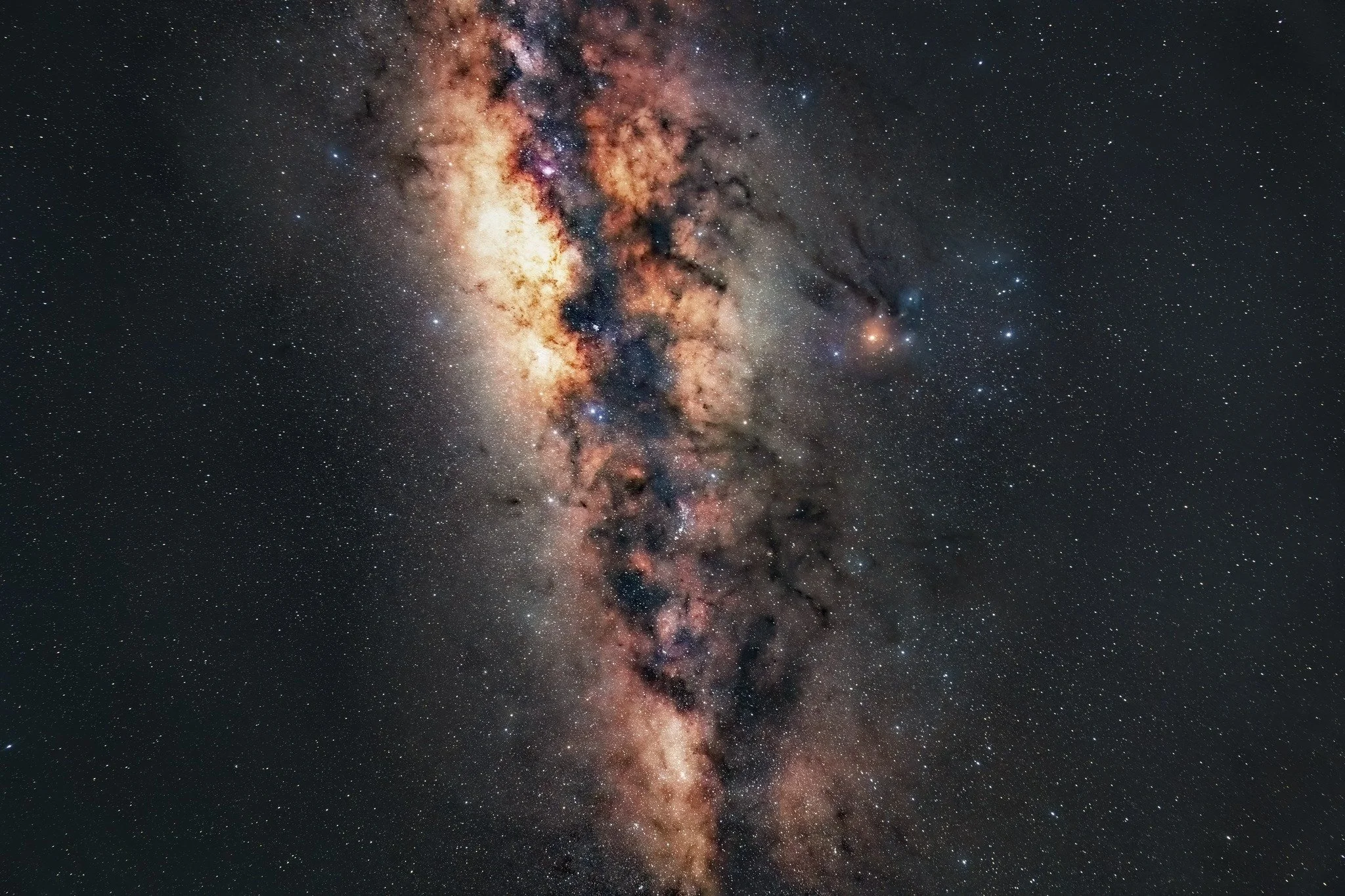
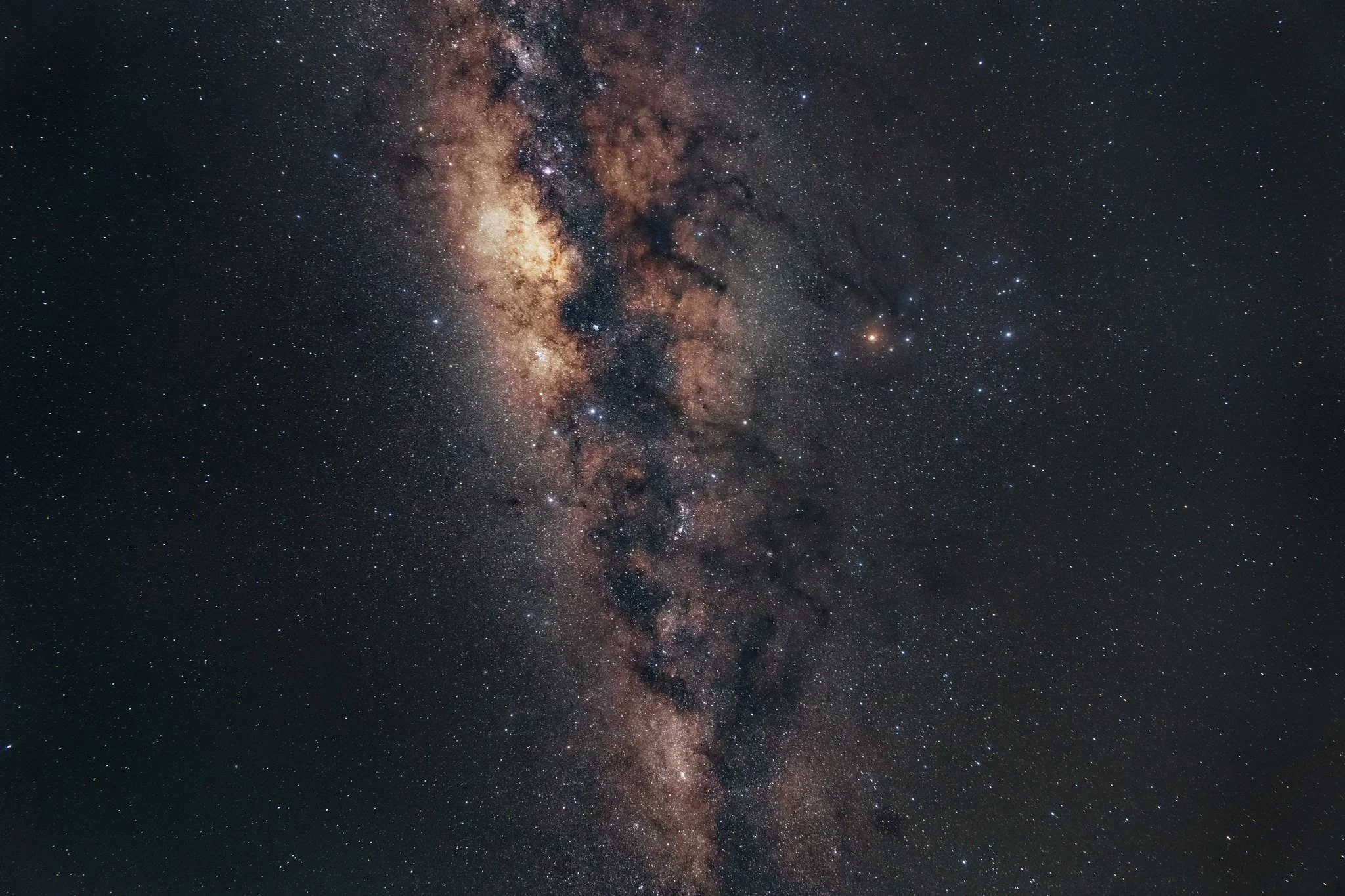
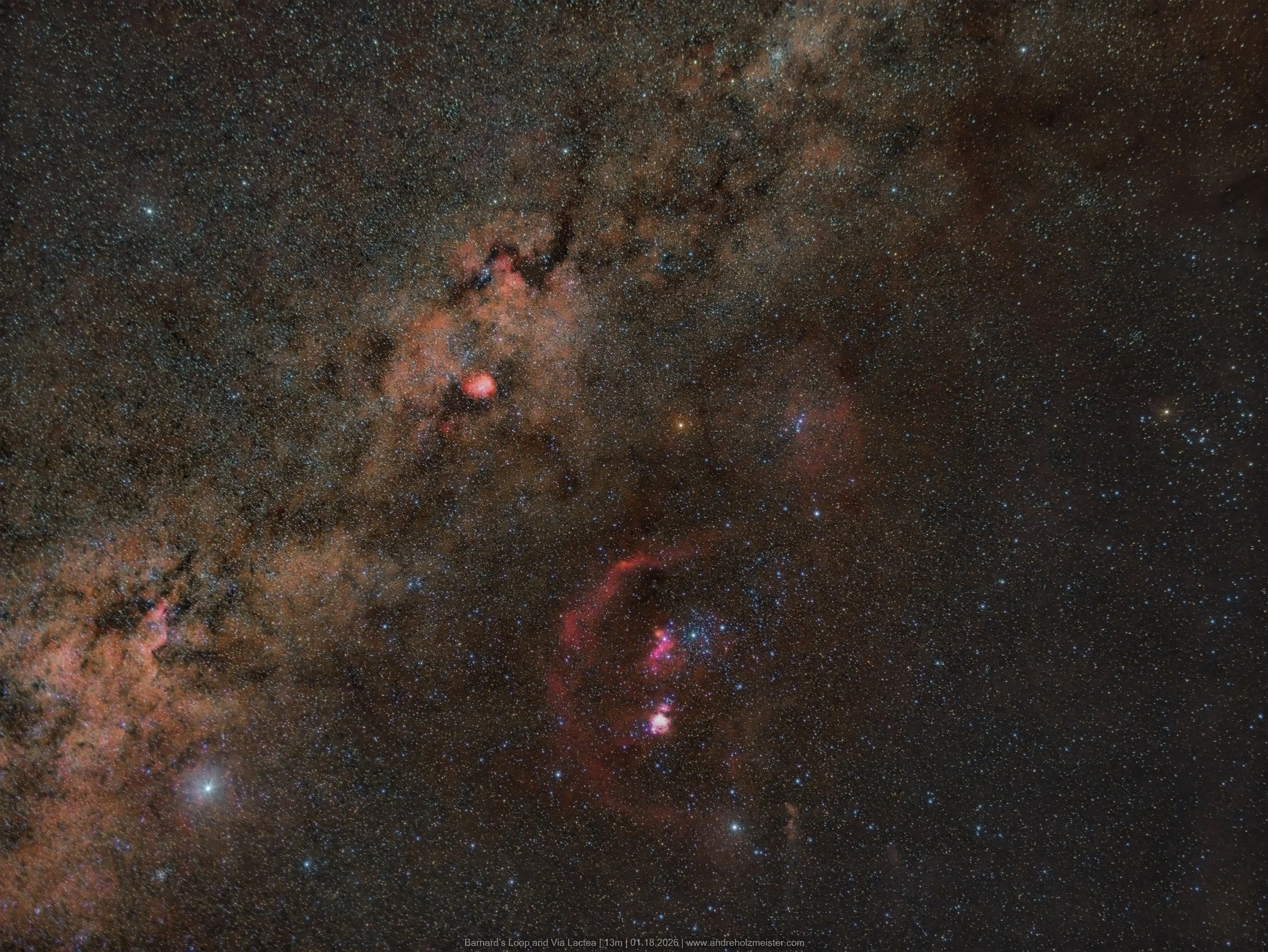
This section of the Milky Way encompass the area of the Barnard’s Loop and the Orion Cloud Complex. This was a quick session, only 13 minutes, 78 x 10 second exposures under Bortle 3 skies in Medina, Texas. Canon 6D + Rokinon 24mm f1.4 @f2
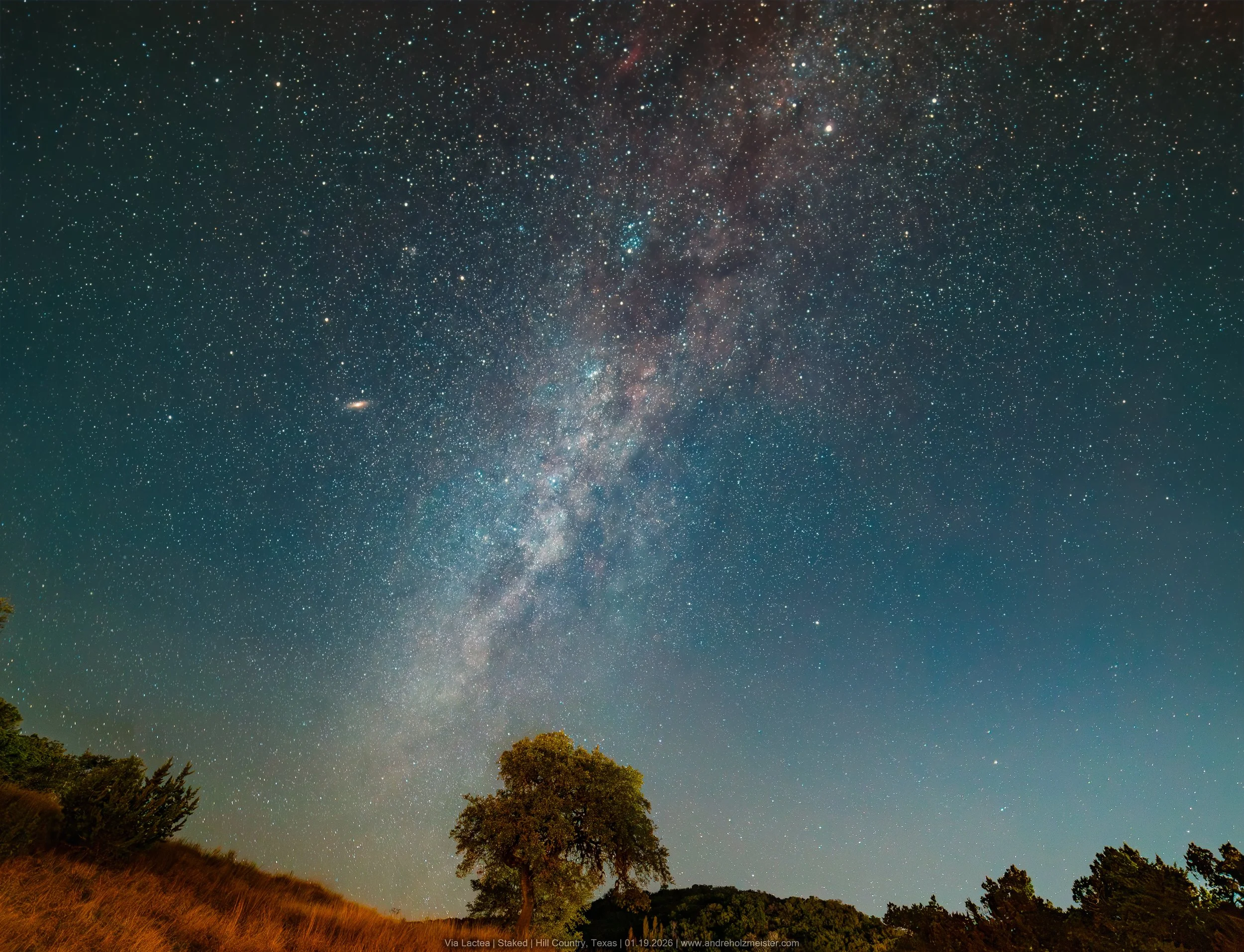
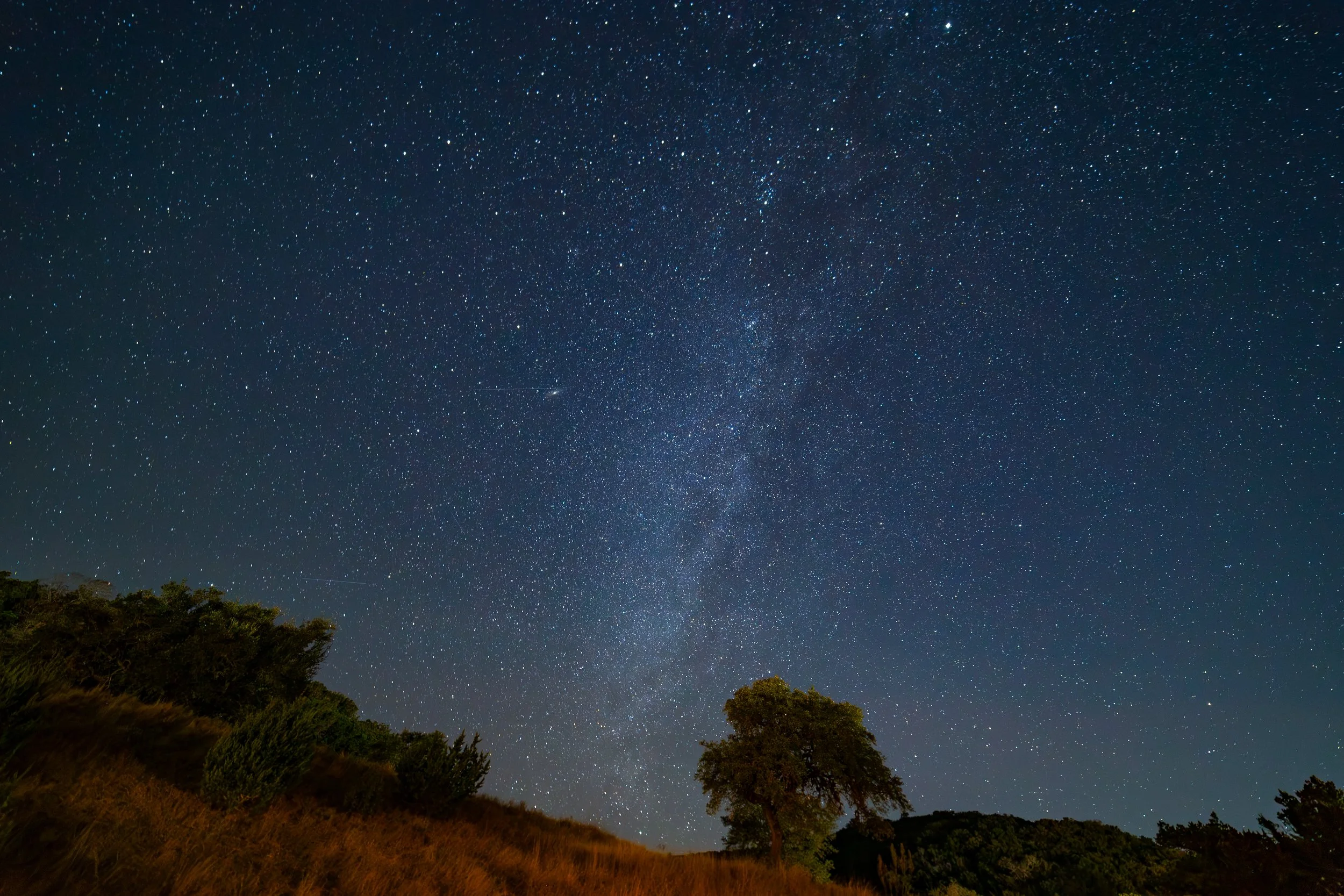
Here a nice difference between a stacked and a single frame of the Milky Way. I’m not particularly proud of this stacking, too much noise, but it definitely shows more of the galaxy structure, Andromeda Galaxy to the left is clearly visible, and on the single frame it is there but much less noticeable, the red smudge near the top is the California Nebula. If you know where to look you can see M33, the Triangulum Galaxy, a little above Andromeda.
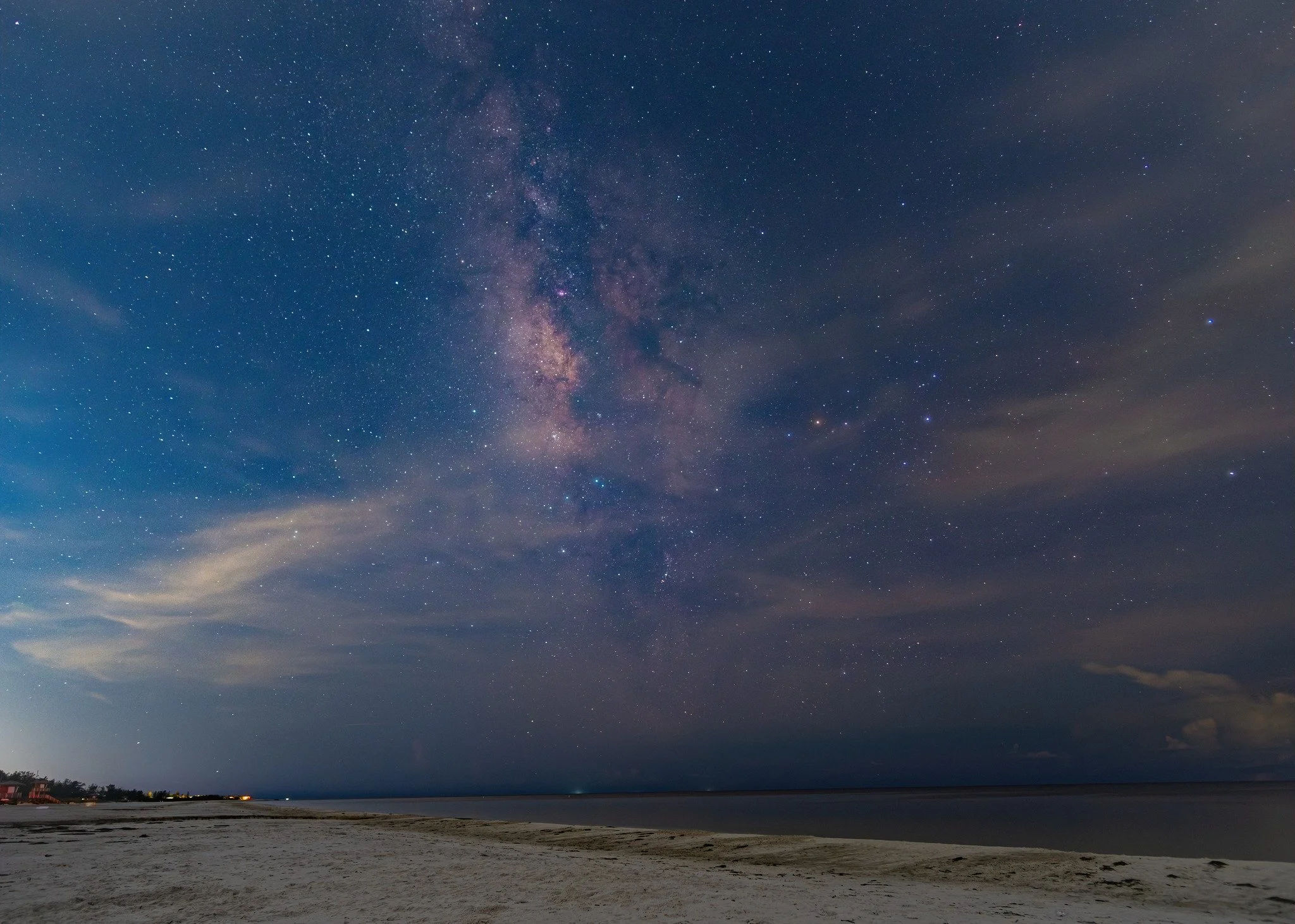
This shot is a single 30s exposure taken from Coquina Beach on the Gulf of Mexico coast, so the South was facing the Gulf and the light pollution is to the left, perfect to capture the Milkyway, its a shame that the clouds made it impossible to stack the data.
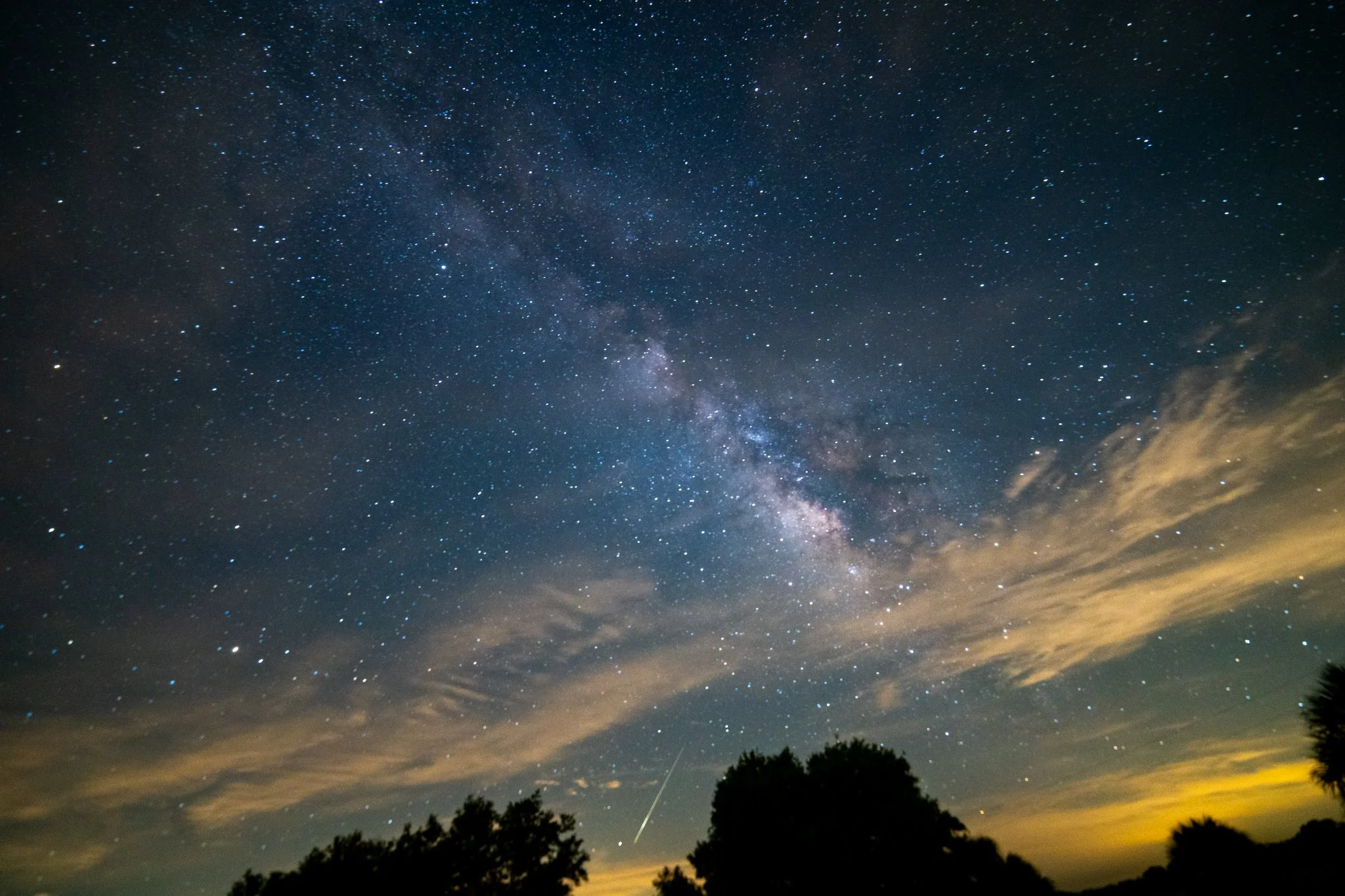
The image above is very important to me, it was the first proper shot I captured from the Milky Way, and it was the spark for me to start doing astrophotography. It was taken from a Bortle 4 site that I went just to be able to take this picture, its a shame I wasn’t able to set the focus properly with the Samyang 14mm f2.8 so the focus was soft. It was the Lyrids Meteor Shower and I was able to capture a few meteors like the fireball in the bottom of the frame. A week later I was capturing my first image of Andromeda with just the camera and a tripod and a couple months later I bought my first star tracker and started taking pictures of the Cosmos. So this picture started the whole thing.
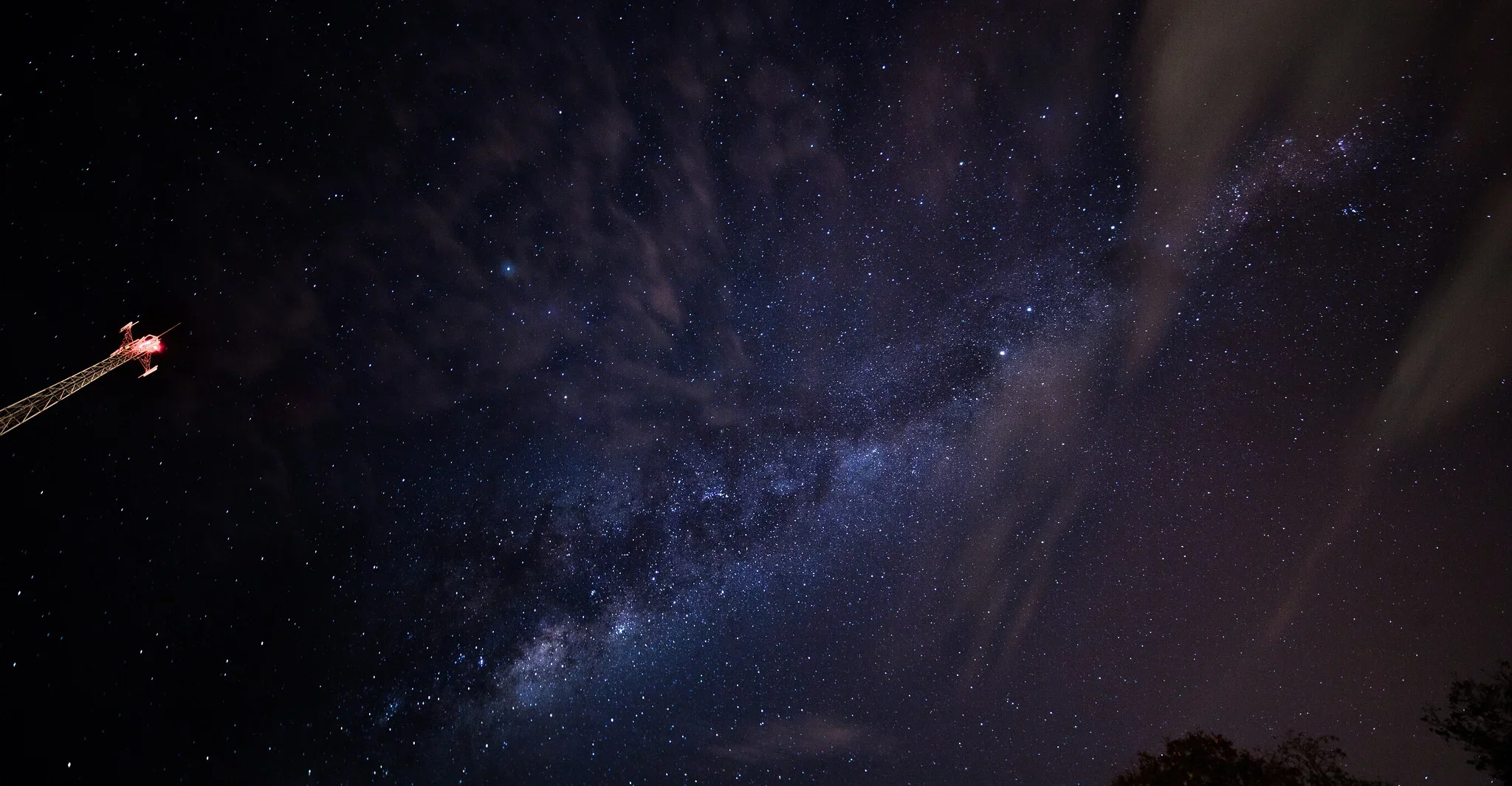
The image above is significant to me, because it was the first image I’ve taken of the Milky Way, I bought a Samyang 14mm f 2.8 lens for a trip to the Argentinian Patagonia but I didnt know at the time that there is a Milky Way season on which our galaxy is visible and one that it is low in the horizon, it was frustrating to be in such dark skies and not able to capture the shot I wanted, 4 or 5 years later I was travelling from São Paulo to Rio de Janeiro in Brasil and we stopped to eat something at Serra das Araras when I noticed the Milky Way was visible to the naked eye, so I grabbed my camera, setut the tripod and shoot the Sky, the image in the camera was not very clear if I got it but during processing I was able to pull a lot of the glow of the galaxy. Took me many more years for me to be in a dark sky site again to be able to use that lens again.